Guide · Price
Why Real Pashmina Costs What It Does
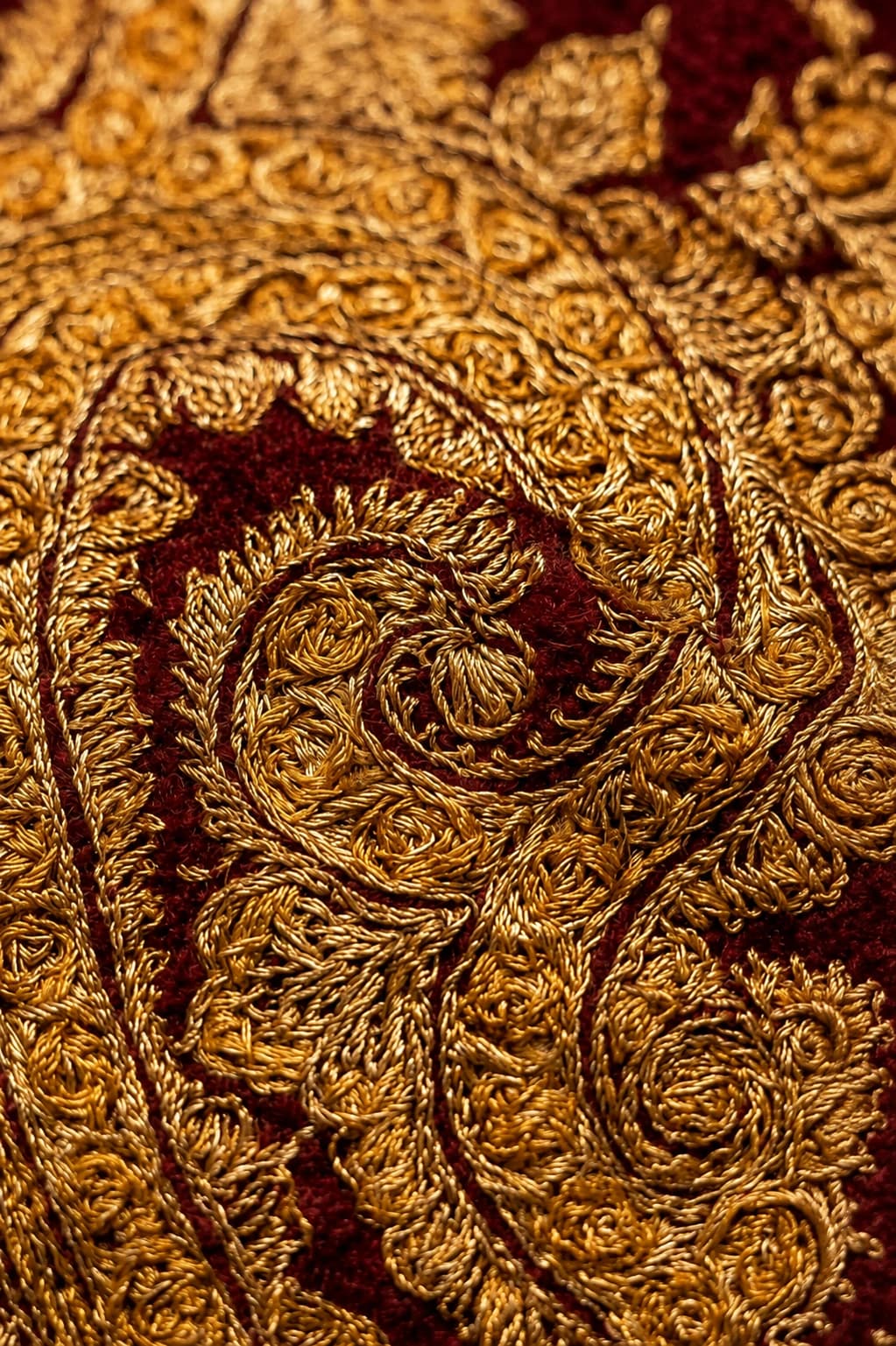
Real pashmina is expensive because the fibre is rare and every step is done by hand. Each goat gives only a small amount of down a year. Spinning it on a charkha and weaving it on a hand loom take weeks, and hand embroidery can take months or even years. Plain pure pashmina stoles cost the least, then embroidered shawls, then fully embroidered jamawar and kani pieces. If a "pure pashmina" shawl is cheap, it is almost certainly not pure.
01
What goes into the price of a pashmina shawl
- The fibre. It comes only from the Changthangi goat of high Ladakh, combed by hand once a year in small amounts.
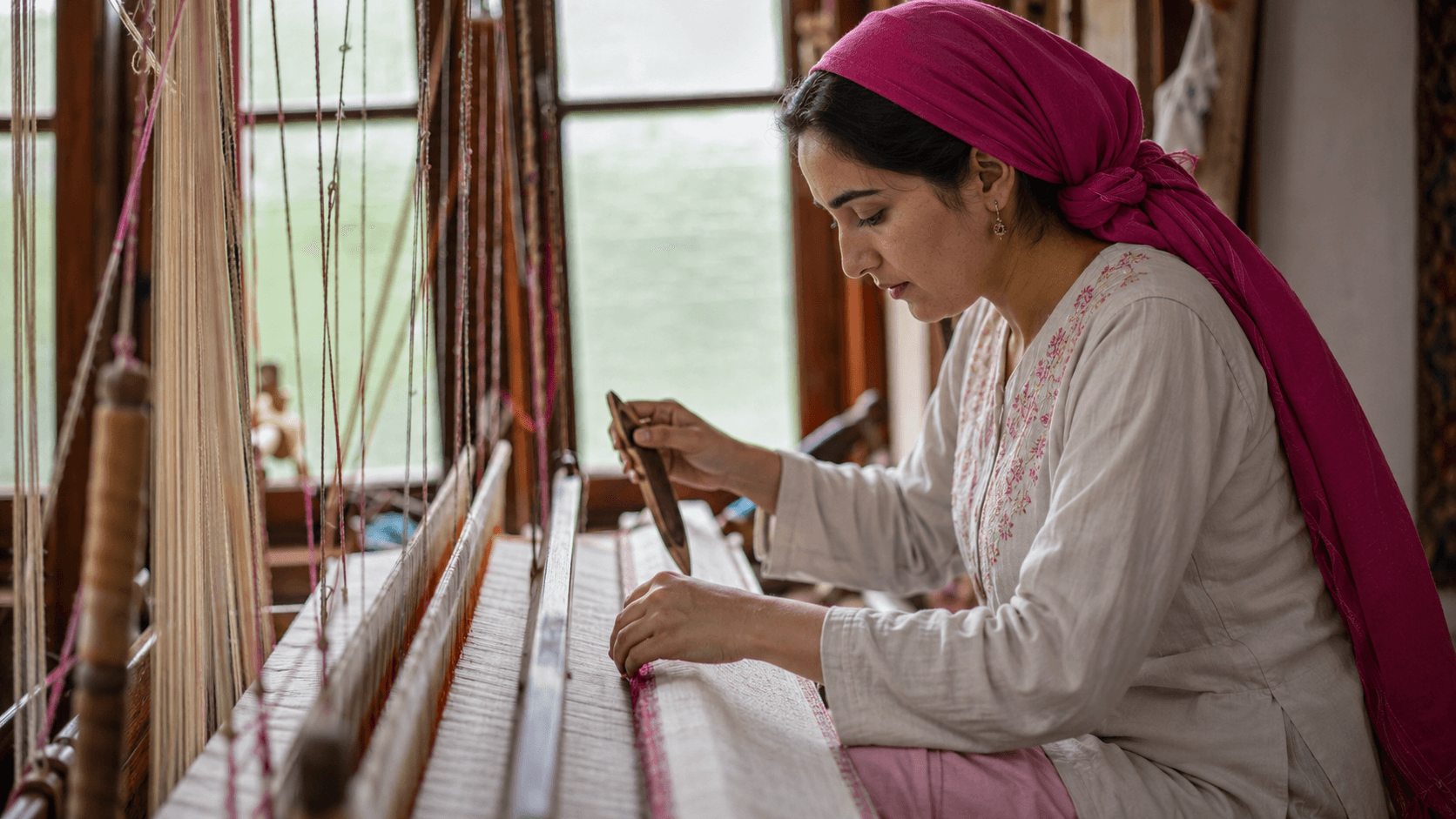
- Spinning. Yarn this fine is spun by hand on a wooden charkha, a slow, skilled job.
- Weaving. Hand looms take far longer than power looms, and the yarn is too delicate for most machines.
- Embroidery. This is the biggest factor. A border takes weeks; an all-over jaali or jamawar field can take a single artisan well over a year.
- Certification. GI testing and labelling for genuine Kashmir Pashmina.
02
Pashmina shawl price range, from stole to heirloom
Price follows the hours of handwork, broadly in this order:
- Machine-made "pashmina" and blends: the cheapest, and usually not pure pashmina at all.
- Plain, hand-woven pure pashmina stoles and shawls.
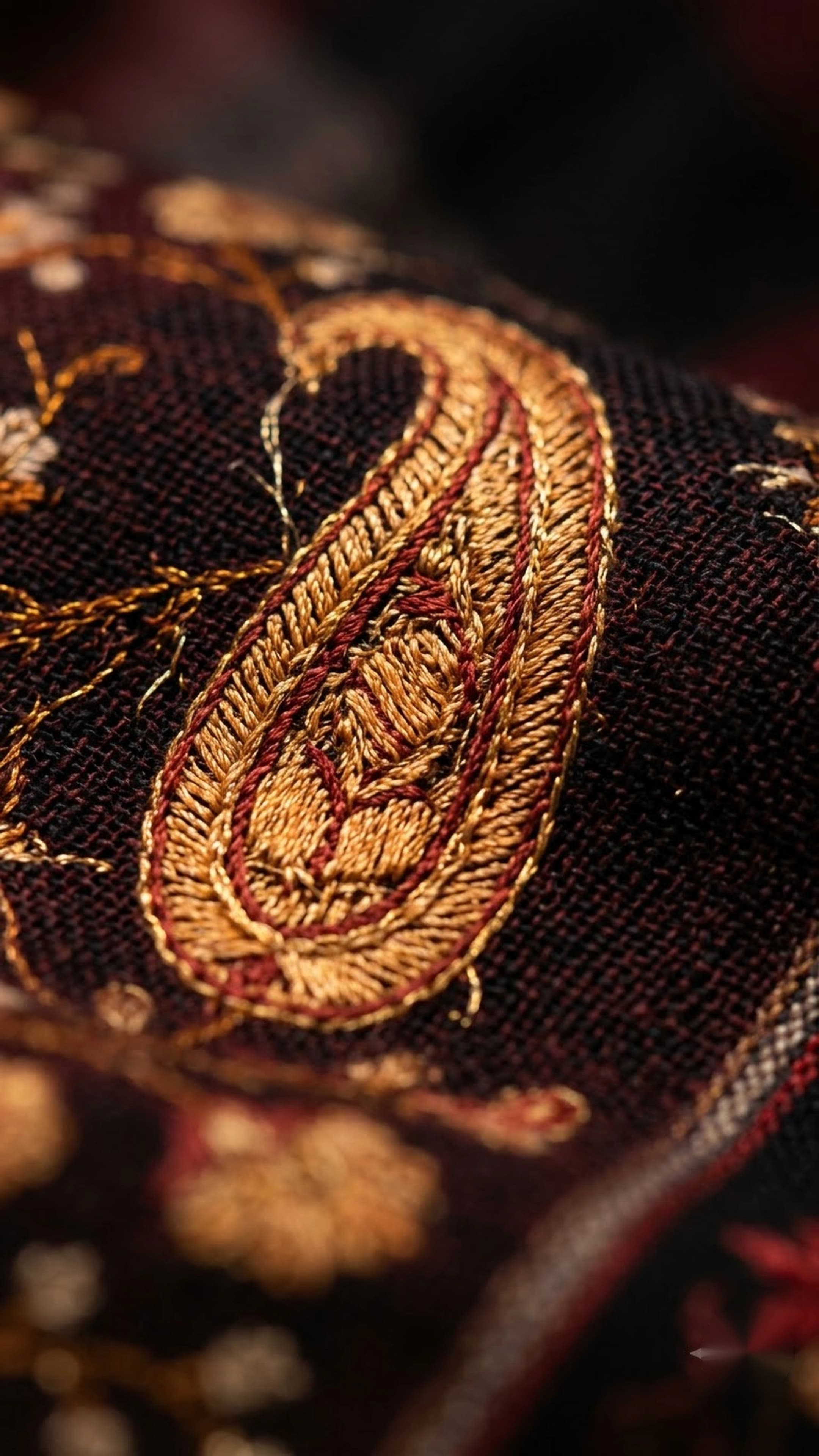
- Pashmina shawls with embroidered borders (hashidar).
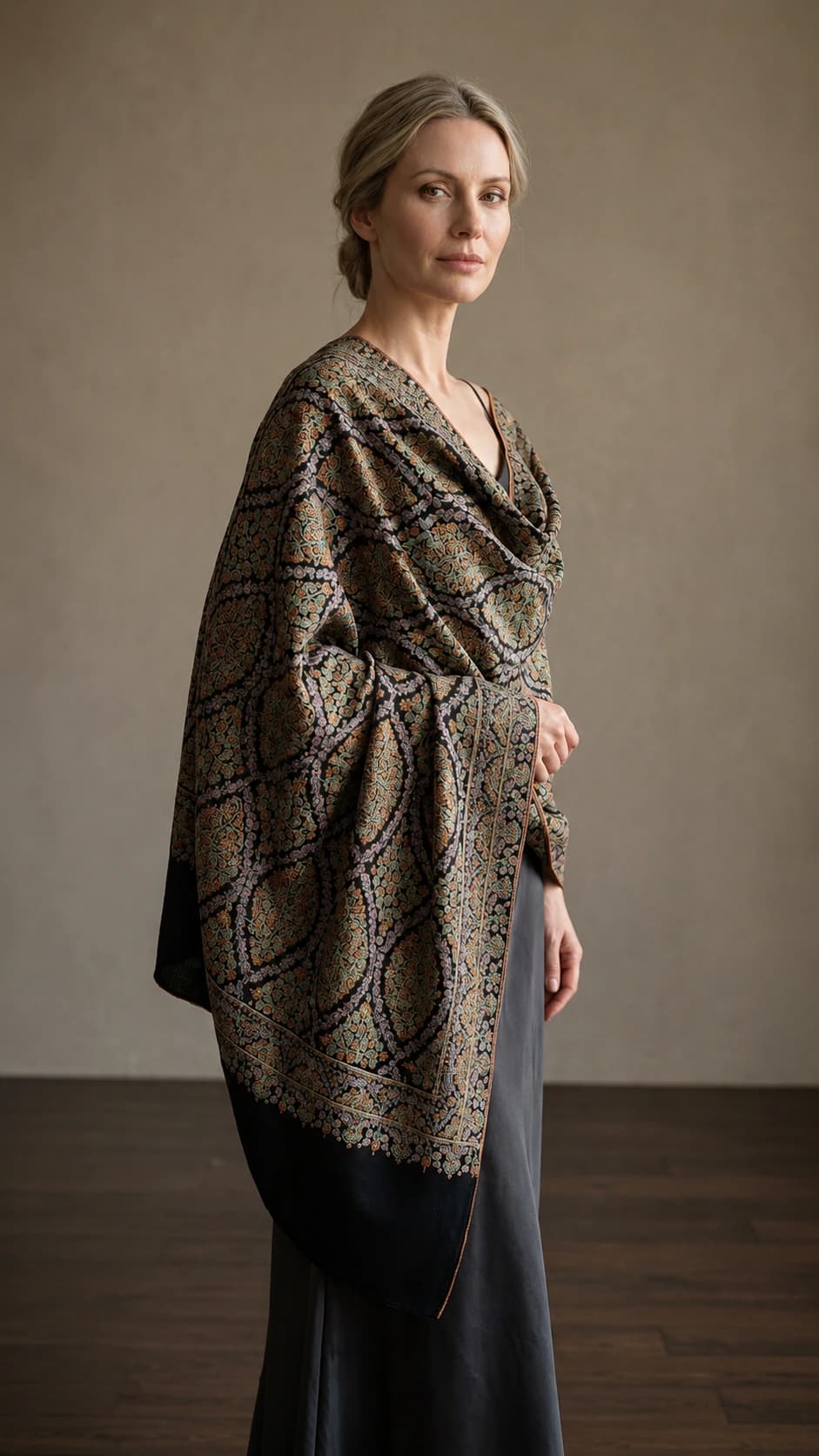
- Densely embroidered shawls: jaali, kalamkari and jamawar.
- Kani shawls and the most complex hand-embroidered pieces, which can take years.
Every Qashmirè shawl is pure, GI-certified pashmina, hand-woven and sozni-embroidered in Srinagar, and is priced at AED 4,200 with shipping to the UAE, Europe and the US included. Some pieces spent close to two years under one artisan's needle.
03
Why a cheap pashmina is a warning sign
The fibre and the hours cannot be made cheap, so a very low price means something has been replaced: the fibre (viscose, acrylic, ordinary wool), the handwork (a power loom or machine embroidery), or both. Learn how to tell real pashmina from fake.
04
Is a pashmina shawl worth it?
A real pashmina shawl is warm enough for winter and light enough to fold into a handbag, and with simple care it lasts for decades. Fine Kashmiri shawls are often handed down through families. It is a purchase measured in years of wear, not seasons.
Questions
Frequently asked
Why are pashmina shawls so expensive?
The fibre is rare, coming only from the Changthangi goat of Ladakh in small amounts each year, and every step, from combing and spinning to weaving and embroidery, is done by hand over weeks, months or years.
How much does a real pashmina shawl cost?
It depends on the handwork. Plain pure pashmina stoles cost the least, embroidered shawls more, and fully embroidered jamawar or kani shawls the most. Qashmirè's sozni-embroidered shawls are AED 4,200 with shipping to the UAE, Europe and the US included.
Is pashmina worth the price?
Yes, if it is genuine. Real pashmina is exceptionally warm and light, and with simple care a shawl lasts for decades and is often passed down.
Why is a jamawar or kani shawl more expensive?
Because of the hours. A jamawar's dense all-over pattern and a kani's woven pattern can each take many months, sometimes more than a year, of a single artisan's work.
Why are some pashmina shawls so cheap?
Because they are not pure pashmina. Cheap shawls sold as pashmina are usually viscose, acrylic, ordinary wool or blends, often machine-made.